
Monitoring Blood Sugar Levels
Monitoring blood sugar levels is one of the most valuable tools for managing diabetes. Regular glucose checks provide important information about how the body responds to meals, physical activity, medications, stress, illness, and daily routines. Instead of relying solely on how someone feels, blood sugar monitoring offers measurable data that helps guide treatment decisions and supports better long-term health.
At Conroe Family Doctor, patients are encouraged to understand the purpose behind glucose monitoring rather than viewing it as just another daily task. For individuals living with diabetes in Conroe, TX, learning how to interpret blood sugar readings can help identify patterns, improve lifestyle choices, and reduce the risk of both short-term and long-term complications. Consistent monitoring empowers patients to become active participants in their own healthcare.
Understanding Blood Sugar Targets
Every Patient Has Individual Goals
Blood sugar goals are not identical for every person. Healthcare providers establish individualized target ranges based on factors such as age, type of diabetes, current medications, pregnancy status, overall health, and the presence of other medical conditions. While many people are familiar with fasting glucose and post-meal glucose numbers, the ideal range may differ from one patient to another.
The A1C test is another important measurement that reflects average blood sugar levels over approximately three months. Unlike a single glucose reading, the A1C provides a broader picture of diabetes management and helps determine whether treatment plans are working effectively. Reviewing both daily glucose readings and A1C results allows healthcare providers to make informed recommendations about medications, nutrition, and lifestyle modifications.
Looking Beyond Individual Numbers
A single elevated or low blood sugar reading does not necessarily indicate a problem. Instead, healthcare providers focus on trends that develop over days or weeks. Identifying recurring patterns—such as consistently high morning glucose levels or frequent low readings after exercise—helps determine whether adjustments to medications, meals, or activity levels may be beneficial.
Different Ways to Monitor Blood Sugar
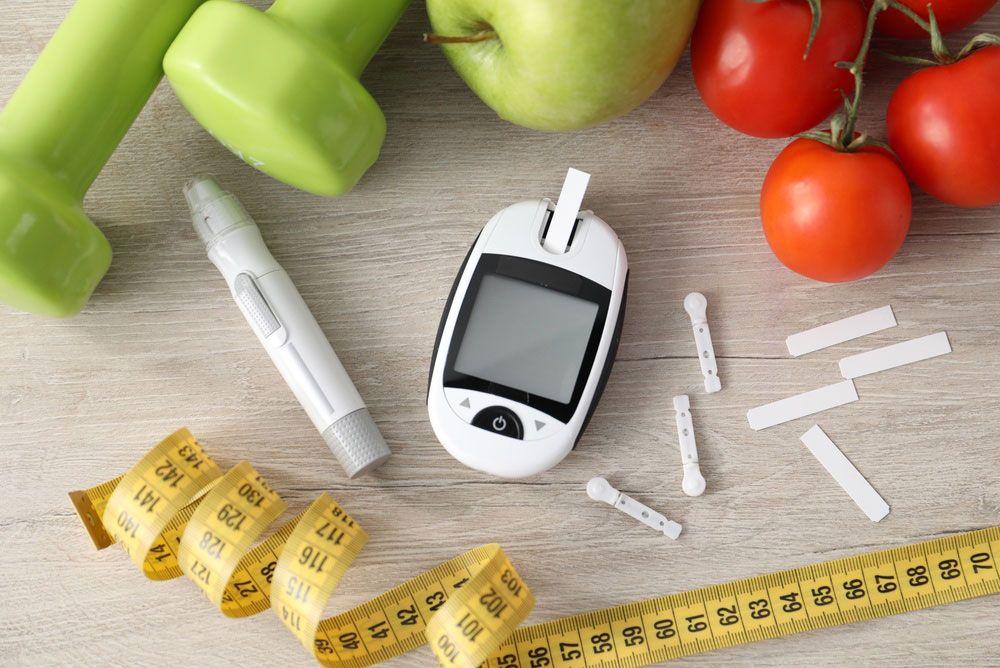
Several methods are available for monitoring blood glucose, allowing patients to choose an approach that best fits their medical needs and daily routine. The traditional fingerstick glucose meter remains a reliable and widely used option. By placing a small drop of blood on a test strip, individuals receive a glucose reading within seconds, making it easy to monitor blood sugar at home, work, or while traveling.
Continuous glucose monitors (CGMs) have become increasingly common for many people with diabetes. These small wearable devices measure glucose levels throughout the day and night, providing real-time information and showing how blood sugar changes over time. Many systems also alert users when glucose levels become too high or too low, allowing for earlier intervention and improved overall management.
Regardless of the monitoring method used, accuracy depends on following proper instructions for testing and maintaining the equipment. Healthcare providers can demonstrate correct techniques and explain how frequently monitoring should occur based on each patient’s treatment plan.
Factors That Influence Blood Sugar Levels
Blood sugar levels naturally fluctuate throughout the day. Meals containing carbohydrates generally increase glucose levels, while physical activity often lowers them by improving insulin sensitivity. Medications, including insulin, also play a significant role in regulating blood sugar. Understanding how these factors interact helps patients recognize expected changes and avoid unnecessary concern over normal variations.
Several additional factors can affect blood glucose unexpectedly. Illness, infections, emotional stress, dehydration, poor sleep, hormonal changes, and certain medications may all contribute to higher or lower readings. Recognizing these influences allows patients to better understand unusual glucose values and discuss any concerns with their healthcare provider.
Keeping a written or electronic log of glucose readings, meals, exercise, medications, and symptoms can provide valuable information during routine medical appointments. This record often reveals trends that may not be obvious from isolated glucose readings alone.
Recognizing High and Low Blood Sugar
Understanding the signs of abnormal blood sugar levels is an important part of diabetes self-management. High blood sugar, or hyperglycemia, often develops gradually and may cause increased thirst, frequent urination, blurred vision, fatigue, headaches, or difficulty concentrating. If left untreated over time, persistently elevated glucose can increase the risk of complications affecting the eyes, kidneys, nerves, and cardiovascular system.
Low blood sugar, known as hypoglycemia, may occur in individuals taking insulin or certain diabetes medications. Symptoms often include shakiness, sweating, dizziness, hunger, confusion, irritability, or rapid heartbeat. Severe hypoglycemia can become a medical emergency if not treated promptly. Patients should understand their provider’s recommendations for managing low blood sugar episodes and know when emergency medical care is necessary.
Individuals managing diabetes alongside conditions such as Hypertension, High Cholesterol, or Peripheral Neuropathy may benefit from regular monitoring and comprehensive healthcare discussions that address multiple aspects of long-term health.
Using Blood Sugar Readings to Improve Daily Health
Blood sugar monitoring becomes most valuable when patients use the information to guide healthier decisions. Reviewing glucose patterns can help identify which meals provide stable blood sugar, how exercise influences glucose levels, or whether medication timing may need adjustment. Rather than focusing on individual numbers, patients should view monitoring as a learning tool that supports informed decision-making.
Routine communication with healthcare providers is equally important. Sharing glucose logs during appointments allows providers to evaluate treatment effectiveness and determine whether changes to medications, nutrition plans, or physical activity recommendations may improve diabetes control. Monitoring also encourages accountability and helps patients stay engaged in their overall care.
Technology continues to make diabetes management more convenient through smartphone apps, wireless glucose meters, and continuous glucose monitoring systems that organize data automatically. These advancements provide additional insights while making long-term monitoring more manageable for many individuals.
Supporting Long-Term Success with Consistent Monitoring
Managing diabetes is an ongoing process that requires attention, education, and regular follow-up. Blood sugar monitoring provides valuable feedback that helps patients understand how everyday choices affect their health and allows treatment plans to be adjusted before problems develop. Consistent monitoring can reduce complications, improve quality of life, and help individuals feel more confident managing their condition.
For patients in Conroe, TX, educational resources from Conroe Family Doctor encourage proactive diabetes management and informed healthcare decisions. Learning how to monitor blood sugar effectively is an important step toward achieving better glucose control and maintaining long-term wellness.
Although diabetes management may seem overwhelming at times, regular blood sugar monitoring provides the information needed to make meaningful improvements. Combined with healthy eating, physical activity, medication adherence, and routine medical care, glucose monitoring remains one of the most effective strategies for supporting lifelong health.
Resources
American Diabetes Association. (2025). Standards of Care in Diabetes—2025. Diabetes Care.
Centers for Disease Control and Prevention. (2024). Managing Blood Sugar. https://www.cdc.gov/diabetes/
National Institute of Diabetes and Digestive and Kidney Diseases. (2023). Managing Diabetes. https://www.niddk.nih.gov/health-information/diabetes/overview/managing-diabetes