Clearing the mind

Our Tips For Handling Burnout and Chronic Stress

The most significantly stressful part of most people’s lives has been dealing with the pressures of their work day. Modern living has undoubtedly seen this source of stress expand into other areas of our lives. Today we struggle with parenting, relationships, personal identity, and politics in an increasingly violent world. Nearly 84% of people report that burnout is a severe problem in their current jobs. This experience of burnout seems to be reported more as world events impact our lives. The pandemic, global conflicts, and economic disparity lead to more people experiencing stress daily.  

What Does Being Burnt Out Look and Feel Like?

There’s more to being burnt out than experiencing simple physical exhaustion. Burnout can impact energy levels at every level. Burnout can impact our emotional well-being, mental health, and of course, our physical health as well. Burnout occurs when the difficulty of managing our circumstances becomes too much to endure. 

This feeling of being overwhelmed grinds away at our mental health, resulting in greater incidents of negative outlooks, anxiety, and depression in our day-to-day lives. Physical health concerns can result from these experiences, with depression and anxiety impacting our health significantly. Chronic stress has even been related to the onset of musculoskeletal pain, Type 2 diabetes, and migraines. All of these concerns, in turn, lead to even more concerning health concerns.

More and more patients are reporting feeling burnt out. They don’t always use the term “burnt out.” Instead, they will report symptoms such as those listed below:

  • Fatigue that is not eased with sleep or rest
  • Difficulty getting to sleep or remaining asleep throughout the night
  • Migraines and headaches that occur more frequently
  • Depression and anxiety
  • Irritation or fidgetiness that becomes intrusive in their lives
  • Memory loss, forgetfulness, or difficulty recalling activities or a specific event in your life
  • Difficulty enjoying normal activities
  • Difficulty performing tasks of self-care

These symptoms clearly indicate that you may suffer from burnout in your day-to-day life.

Managing And Preventing Burnout

The ongoing pandemic is certainly making managing our feelings of burnout difficult. While it is impossible to control the thoughts or actions of others, you can take steps to manage your own experiences. Here are some efforts you can make to help manage your burnout symptoms and help prevent them from occurring:

  • Practice Self-Care: Caring for your emotional, physical, and mental well-being is essential to promoting an environment that avoids burnout. This environment should include gratitude, mindfulness, self-respect, and maintaining discipline when stress and adversity appear. You should ensure you stay hydrated, get enough sleep, and take time to spend out in nature. It’s also essential to seek psychiatric help and devote time to learning hobbies.
  • Set Boundaries and Seek Help: Setting boundaries is essential in showing respect for ourselves. These steps can include only working your scheduled hours, keeping work out of the home, turning down a new project, and ensuring you take time to do things you enjoy. You can also share responsibilities with friends, family, and co-workers.

These are two steps you can take to help improve your overall well-being and avoid the risks of developing burnout. Don’t be afraid to speak to your family doctor when symptoms occur to seek advice on what steps you should take next.

Telehealth

Understanding Telehealth In Modern Healthcare

The way that we receive healthcare has been changing. Numerous pressures and technologies are driving this change. Telemedicine, also known as telehealth, has become more available due to advances in communication technology. Almost everyone carries a digital device with them these days. These devices are capable of phone communication and video calls and can even be tied into wearable medical devices that track information about your health. The COVID-19 pandemic didn’t create telehealth services, but it did set a fire under the industry’s need to provide greater access to it.

Understanding Telehealth In Modern Healthcare

The term telehealth has been around for a long time. In its earliest incarnation, it involved medical practitioners contacting their clinics over the phone. These calls had limited facility but were perfect for simple follow-ups with patients. Whether the patient lived far from the doctor’s clinic or simply had trouble getting up and moving around, it made things easier for them. As communications technology continues to advance, the options for telehealth services are expanding.

Modern devices are almost always video capable. They’re lightweight, easily transported, and can be used almost anywhere. Many of them also can connect with various devices via Bluetooth. This has led to the creation of wearable medical devices that improve treatment and diagnosis in previously impossible ways.

Multiple benefits come with using Telehealth services for patients and doctors alike:

  • Avoid Unneeded ER Visits – Being able to reach out to your doctor quickly can help eliminate unneeded visits to the ER. Using photos and video, you can quickly have them assess an injury and determine if it can wait for an office visit. They can also inform you whether you should go to the ER or Urgent Care if it needs to be seen quickly.
  • Limits Exposure – Whether patients had a cold or a rash, it was off to the doctor’s office they went to. However, with telemedicine options, they may not need to come into the office for simple things. This means that there is less exposure to viruses and bacteria for everyone. Doctors get sick less; patients spread illness less, and everyone benefits.
  • Improved Visit Availability – One of the most time-consuming parts of seeing a patient in-office is preparing the treatment room. They must be sanitized after every visit, regardless of the severity of the patient’s condition. This leads to wasted time, wasted materials, and fewer patients the doctor can see per day. Telemedicine doesn’t require this process, so more patients can be seen daily.

Final Notes About Telemedicine Care

One of the most fundamental changes telemedicine brings to patient care is convenience for the patient. They can schedule their visits without accounting for trips across town and back. The time required for a visit is greatly reduced and costs less overall. There are no gas costs, less time off work, and less wear and tear on the vehicle. As communications technology advances, we’ll see new options in treatment, diagnosis, and care.

Have a Safe and Happy Labor Day!

Conroe Family Doctor in Conroe, Texas Wishing you a Safe and Happy Labor Day! Stay Safe & Healthy from COVID this Labor Day. We are open for in-office visits. Please call (936) 441-2012 or go Online www.conroefamilydoctor.com to schedule your appointment.

Conroe Family Doctor It’s Time for Back to School

Conroe Family Doctor in Conroe, Texas Wishing you great first day back to school. Going back to school means you need to schedule your yearly appointment for your physical and make sure you’re current on your immunizations. We are open for in-office visits. Please call (936) 441-2012 or go Online www.conroefamilydoctor.com to schedule your appointment. We look forward to seeing you!

Wearable Devices

Wearable Devices And Its Profound Impact on People’s Health

Every day the world of medicine becomes more and more interconnected. The advent of digital technology makes the sci-fi dreams of yesterday a present and imminent reality. The world of medicine has been the site of some of the most fundamental changes. The advent of wearable medical devices has utterly changed how the treatment is planned, diagnoses are made and carefully administered. Below we’re going to explore how healthcare has changed with the advent of wearable devices. We’ll also consider what we may expect in the future.

Physicians And Patients Both Benefit From Wearable Devices

Diagnosis can be difficult when a patient reports intermittent symptoms that occur unreliably throughout their normal day. These types of symptoms are common with numerous conditions and ailments, and physicians have devised numerous ways to provoke them. Treadmill stress tests and other approaches have always yielded dicey results and have been notoriously unreliable for more obscure symptoms. The introduction of wearable medical devices has been nothing less than revolutionary in cases like these.

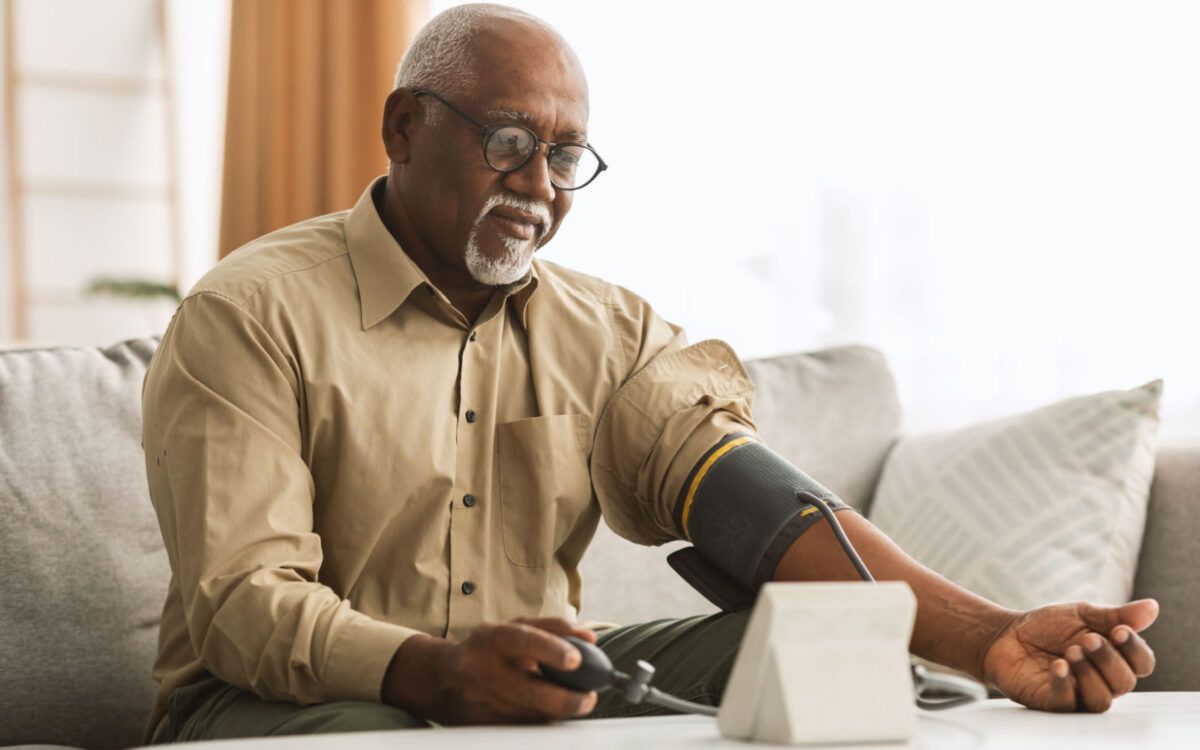
Wearable medical devices serve many purposes, many of which contain answers to concerns like this. They can track heart rates, body temperature, electrical pulses within the body, blood pressure, oxygen levels, and countless other biometrics while the patient goes about their day. When events such as oxygen levels or low blood pressure drops occur, they can be recorded and reported to the physician. This allows the doctor to observe these kinds of events in the context of the patients day to day life.

  • Immunotouch – This device was developed during the pandemic and aimed to help wearers reduce their risk of contracting COVID. Anytime a wearer would reach for their face, the device would issue an alarm to prevent them from doing so.
  • VivaLNK Continuous Temperature Sensor Patch – This device was implemented to track the wearer’s temperature. It proved effective in providing meaningful feedback for those with fibromyalgia and aiding in treating and managing the condition.
  • Mojo Lenses – These contact lenses are an advanced device that provides the wearer with a HUD (heads-up display). Various information can be provided through this interface, including biometrics like blood pressure and heart rate, as well as navigational information. These devices have been used to help the sight impaired get around easier.

These devices represent a movement in medical technology to improve health and quality of life through the melding of man and machine. This is currently being achieved through removable medical devices, but more advanced options are on the way. We may one day be able to address certain health concerns with a simple implantable device that compensates for biological shortcomings.

Ask Your Physician About Wearable Health Devices

If you live with the condition that you think may benefit from the aid of a personal wearable device, speak to your physician. Currently, devices like this tend to be specifically designed to handle a narrow range of conditions. However, there may be something that can benefit you in handling the struggles of certain medical complications. Reach out to a medical provider for a consultation today.