
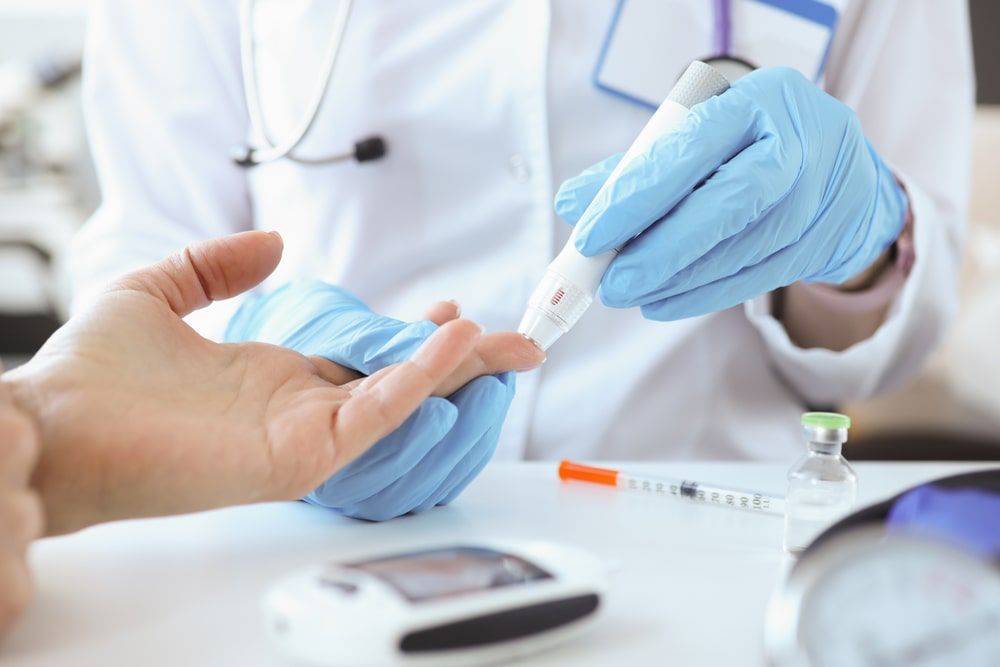
Monitoring blood sugar levels is an essential part of managing overall health, especially for individuals with diabetes or those at risk for developing it. Blood sugar, or glucose, is the body’s main source of energy. However, when levels are too high or too low, it can cause immediate symptoms and lead to long-term health complications. Regular testing helps people understand how their body responds to diet, exercise, and medications, promoting better decision-making in daily life.
Dr. Trang Nguyen of Conroe Family Doctor in Conroe, TX emphasizes that keeping track of blood sugar levels is not only about managing current health but also preventing future complications. Consistent monitoring allows patterns to emerge over time, helping identify triggers that may cause spikes or drops. This awareness is the foundation for effective diabetes management.
How Blood Sugar Is Measured
There are several methods for checking blood sugar. The most common way is through a fingerstick test using a glucose meter, which provides an immediate reading of your current level. Another option is continuous glucose monitoring (CGM), which uses a small sensor placed under the skin to track glucose levels throughout the day. Both tools help patients and doctors determine how different foods, activities, or medications affect blood sugar balance.
Blood sugar levels are typically measured in milligrams per deciliter (mg/dL). For most adults, healthy fasting blood glucose levels range between 70 and 99 mg/dL, while readings after meals should generally stay below 140 mg/dL. However, individual targets may differ based on age, health conditions, and overall treatment goals. Discussing your specific range with a healthcare provider ensures accurate interpretation of these numbers.
Making Sense of Fluctuations
Fluctuations in blood sugar are normal, but drastic changes may indicate that adjustments are needed. High blood sugar, or hyperglycemia, can cause fatigue, frequent urination, and increased thirst. On the other hand, low blood sugar, known as hypoglycemia, may result in dizziness, sweating, or confusion. Learning to recognize these symptoms early helps prevent severe episodes that could require medical attention.
To stabilize blood sugar levels, it’s essential to balance food intake, activity, and medication. A diet rich in whole grains, lean proteins, fruits, and vegetables can help regulate glucose levels more effectively. Regular physical activity also improves the body’s ability to use insulin, reducing spikes. Maintaining a healthy weight through weight management strategies further supports balanced blood sugar levels.
Long-Term Benefits of Regular Monitoring
Consistent monitoring is one of the most effective ways to prevent long-term complications such as nerve damage, heart disease, and kidney problems. Tracking results over weeks or months—along with regular wellness exams—provides valuable insight into how well a person’s current approach is working. Small adjustments can then be made in collaboration with a provider to maintain optimal health.
At Conroe Family Doctor in Conroe, TX, Dr. Trang Nguyen encourages patients to take an active role in understanding and managing their blood sugar levels. Through consistent monitoring and mindful daily choices, individuals can protect their health and improve their quality of life for years to come.
Additional Resources
American Diabetes Association. (2023). Standards of Medical Care in Diabetes.
National Institutes of Health. (2024). Blood Glucose Monitoring: What You Need to Know.
Centers for Disease Control and Prevention. (2023). Managing Blood Sugar: Tips for Better Health.